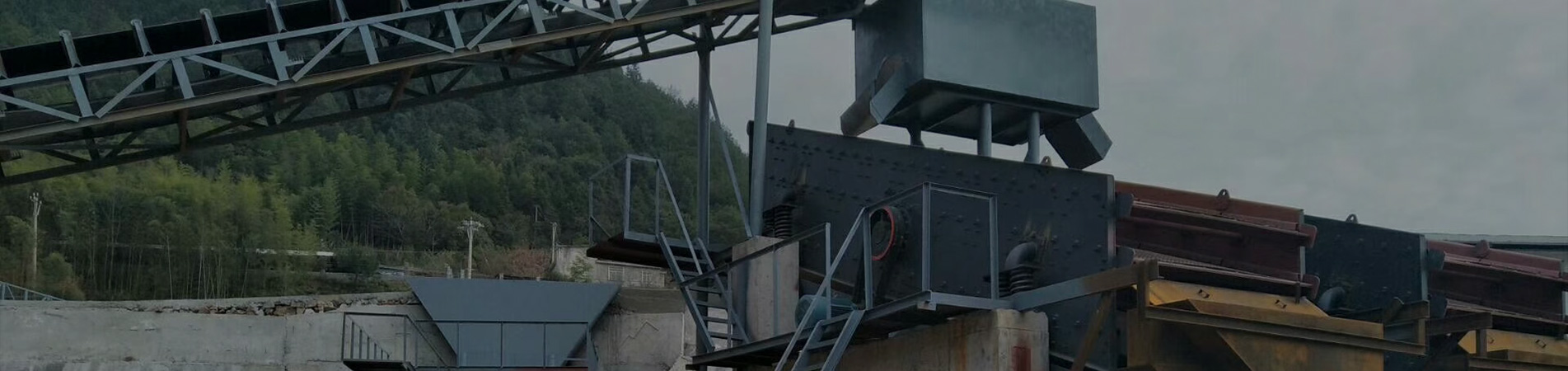
In mining, quarrying, and aggregate production, transforming massive raw rock into usable construction materials or industrial feedstocks is not a single-step operation but a multi-stage size-reduction process. Among the various types of crushing equipment, the jaw crusher has emerged as the preferred choice due to its exceptionally robust construction and high compressive strength. However, jaw crushers are not all alike; depending on their position within the production line, they are strictly categorized into primary and secondary jaw crushers. A thorough understanding of the key differences between the two not only helps prevent equipment overload and excessive wear but also significantly enhances the efficiency and profitability of the entire crushing operation.
1: Primary Crusher
Primary crushing is the initial stage of material size reduction. Primary jaw crushers directly receive run-of-mine ore straight from the quarry or mine.
● High feeding capacity: They are designed to handle large volumes of irregularly shaped, highly abrasive material. Some large-scale primary jaw crushers can even accept feed sizes up to 1,500 mm.
● Core design objective: Their primary task is not fine crushing, but rather “initial size reduction”—breaking down massive, unmanageable boulders into smaller fragments suitable for conveyor transport. They typically operate in an open-circuit configuration, prioritizing exceptionally high throughput and extreme durability.
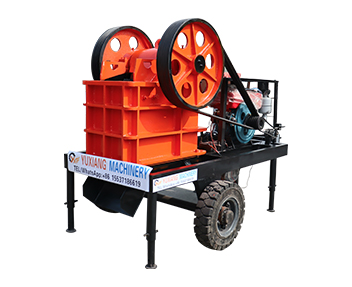
2:Secondary Crusher
Secondary crushing is the stage that immediately follows primary crushing. The secondary jaw crusher processes material that has already undergone preliminary crushing by the primary equipment.
● Fine crushing feed requirements: The feed size for a secondary jaw crusher is typically 150–200 mm (approximately 6–8 inches), and its function is to further reduce these medium-sized stones.
● Closed-circuit system: Unlike primary crushing, secondary jaw crushers generally do not operate in isolation; instead, they work in conjunction with vibrating screens and distributors to form a closed-circuit system. Stones that do not meet the required particle size specifications are screened out and returned to the secondary crusher for re-crushing, ensuring the uniformity of the final product’s particle size.
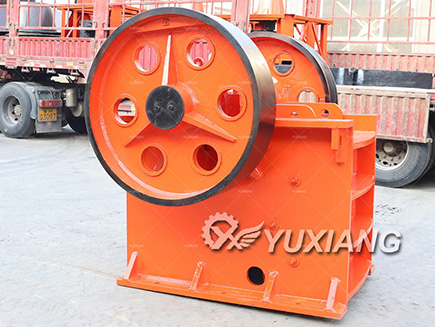
3-1:Role and stage in the production line
3-2:Difference between feed and discharge sizes
3-3:Material toughness and state
3-4:Equipment structure and system integration
3-5:Actual use and maintenance experience