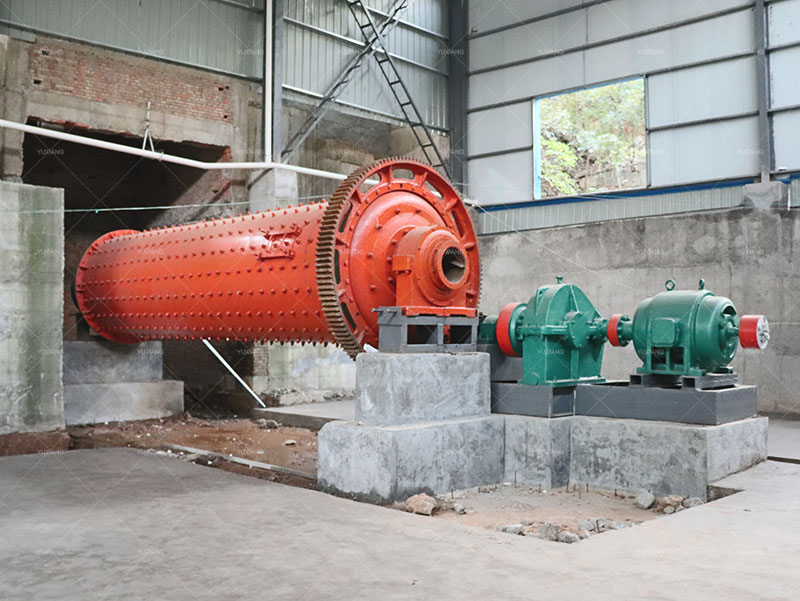
Grinding is a crucial size-reduction process in industries such as metallurgy, ceramics, and mining. This process can be broadly categorized into two types: dry grinding and wet grinding. Understanding the differences between the two is essential for optimizing efficiency, reducing costs, and improving product quality.
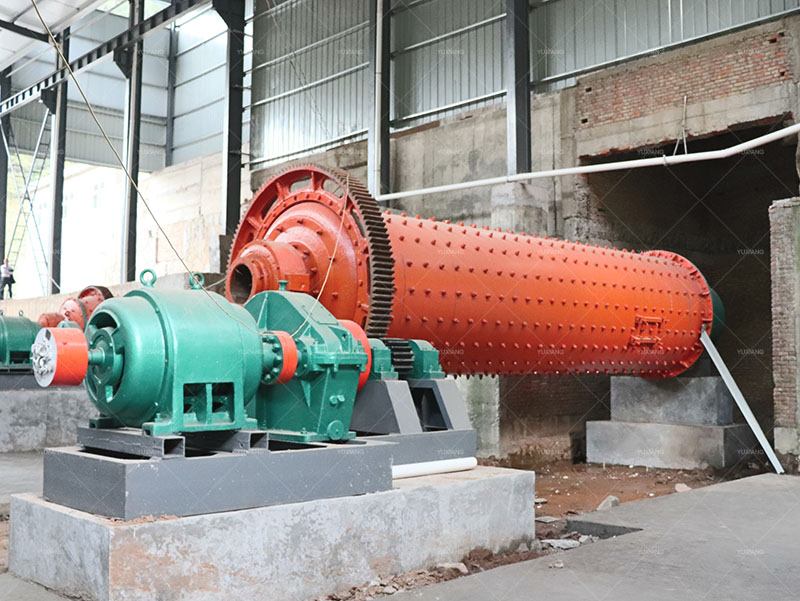
1:Grinding Principles and Suitable Materials
Dry grinding: Achieves size reduction through direct impact and friction between the material and grinding media (such as steel balls), without the addition of liquid media. It is suitable for materials that must remain dry, such as cement and ceramic raw materials.
Wet grinding: Involves adding water or other liquid media to perform grinding in a fluid state; this method is better suited for high-hardness materials or products requiring ultra-fine grinding, such as battery cathode and anode materials. The liquid medium effectively lowers grinding temperatures, reduces dust generation, and enhances grinding efficiency.
2. Grinding Equipment and Grinding Media
Dry grinding equipment: Must be equipped with a dust collection system, and the grinding barrel requires high wear resistance. Standard steel balls are typically used as the grinding media.
Wet grinding equipment: Requires enhanced sealing capabilities, and a filtration device must be installed at the discharge outlet. Ceramic or stainless steel balls may be selected as grinding media to prevent corrosion.
3. Pros and cons of wet grinding
Advantages: The buffering and dispersing effects of the liquid medium result in more uniform particle size in the finished product, making the process particularly suitable for preparing ultrafine powders.
Disadvantages: Subsequent processes such as dewatering and drying are required, leading to higher costs.
4. Advantages and disadvantages of dry grinding
Advantages: Eliminates the need for dewatering and drying steps, thereby reducing costs.
Disadvantages: Requires strict control of dust generation during the grinding process.
5. Cases
Dry grinding: Widely used in cement processing, as it accommodates lower fineness requirements and necessitates keeping the material dry.
Wet grinding: Commonly employed for lithium iron phosphate (LFP) cathode materials to ensure high purity and fineness. Some material processing operations combine both methods to optimize results.